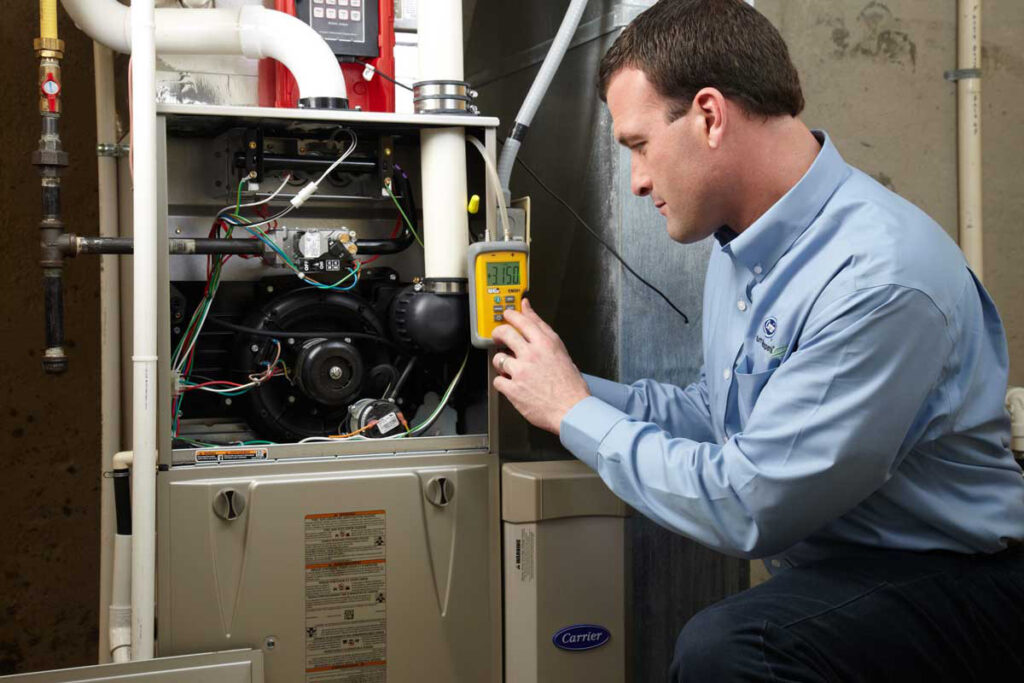
Furnace Repair and Installation for Mount Vernon Homes
Our HVAC team provides furnace repair in Mount Vernon, WA and furnace installation for homes across the Skagit Valley. Is your furnace blowing cool air or making new noises? Are you planning to replace an older system? We can help you choose the right next step.
We inspect your furnace, explain what we find, and go over your options in plain terms. You decide what makes sense for your home.
How Mount Vernon Winters Work Your Furnace
Mount Vernon winters are cool and damp more than harsh. NOAA climate normals for the Mount Vernon 3 WNW station show average January lows of 35.0°F. February lows average 34.9°F, and December lows average 35.3°F. January highs average only 47.1°F.
Those numbers mean long stretches of steady heating. Your furnace may not face deep cold, but it runs for many months in a row. That long season adds wear to burners, blowers, and controls.
Many local furnaces run on natural gas. Cascade Natural Gas serves Mount Vernon and much of the Skagit Valley. If you want to switch to a gas furnace, our team can also help with gas line installation and repair.
Signs You Need Furnace Repair in Mount Vernon
Pay attention to how your furnace sounds and acts. Warm air that turns cool is a common sign. So are rattles, bangs, or squeals when the system starts.
Short cycling is another clue. That is when the furnace turns on and off in quick spurts. Rooms that never reach the set temperature also point to a problem.
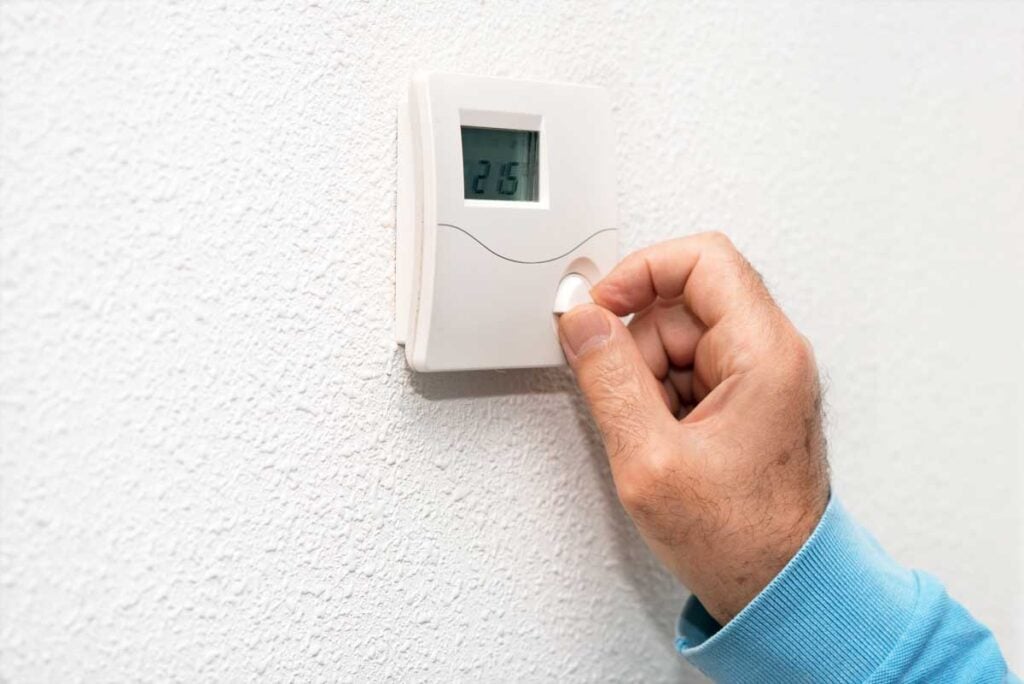
Sometimes the furnace is fine and the controls are not. A faulty thermostat can cause many of the same symptoms. Our thermostat services can test and replace a failing unit.
Our Furnace Repair Process
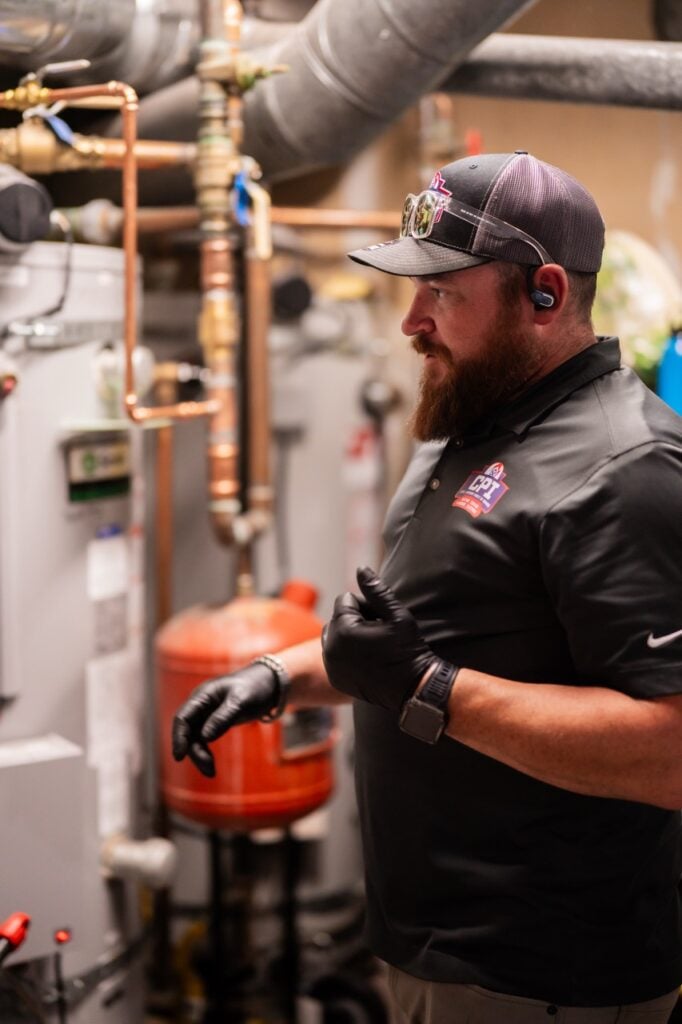
No matter what causes your heating problem, we start by finding the source. Our technician inspects the furnace and checks how it runs. Then we explain the problem and walk you through your repair options.
You hear what the problem is and what each repair option involves. We can also help you compare repair and replacement honestly and without pressure.
Wondering which way to go? Our guide on whether to repair or replace your furnace covers the main factors.
When Furnace Installation Makes Sense
A typical furnace lasts 15 to 20 years. After that, problems tend to pile up. If your furnace is more than 10 years old and needs service often, it may be time to look at a new one.
Efficiency also matters. The U.S. Department of Energy measures furnace efficiency with an AFUE rating. Older furnaces often rate between 56 and 70 percent AFUE. New gas furnaces must meet at least 80 percent. High efficiency models reach 90 percent or more. A higher rating means more of the fuel turns into heat for your home.
Some homeowners pair a new furnace with a heat pump. The heat pump handles mild days, and the furnace takes over in colder weather. Learn more about our heat pump services.
Our Furnace Installation Process in Mount Vernon
A new furnace only works well when it fits your home. We assess your current furnace, home size, and comfort needs before we recommend a system. We explain models and efficiency ratings in everyday language. We can supply any furnace make and model.
On install day, our team carefully removes your old furnace and installs the new one. We set up the thermostat and test the safety controls and performance. Then we show you how to use your new system and answer your questions.
The right size matters. A furnace that is too big turns on and off too often. One that is too small runs nonstop and still leaves rooms cool. Proper sizing helps your new system heat evenly for years.
Seasonal Furnace Maintenance
Regular care helps your furnace last longer and run more smoothly. Our HVAC service agreements include fall heating maintenance to prepare your system for the season. A typical visit covers:
- Burner assembly cleaning
- Thermostat and heating calibration
- Heat exchanger inspection
- Air filter replacement
- Part replacement if needed
Between visits, check your filter often. A clogged filter makes your furnace work harder. Our post on why replacing your furnace filter matters explains why.