
More Power and Safer Panels for Mount Vernon Homes
Many homes in Mount Vernon and across Skagit County still run on panels sized for a few lights and a refrigerator. Today’s homes add heat pumps, EV chargers, induction ranges and home offices. CPI Plumbing, Heating, Cooling & Electrical upgrades panels for homeowners in Mount Vernon, Bellingham and Oak Harbor so the whole house has the safe, steady power it needs.
Our licensed electricians size the new panel to your home, give you a written quote before any work starts, and charge by the job, not by the hour. Every installation is backed by our one-year warranty. It’s one part of our full range of electrical services.
Signs You Need an Electrical Panel Upgrade
- Breakers Trip Often
If breakers trip when the dryer, microwave and space heater run together, your panel may not have the capacity your home now uses.
- Your Panel Is 25 Years Old or More
Older panels were built for lighter loads. Worn breakers and bus bars can stop protecting your circuits the way they should.
- Lights Dim When Appliances Start
Dimming or flickering when the furnace blower or well pump kicks on can point to an overloaded panel or tired connections.
- You’re Out of Breaker Spaces
Tandem breakers and full slots leave no room for new circuits. A larger panel gives you space to grow.
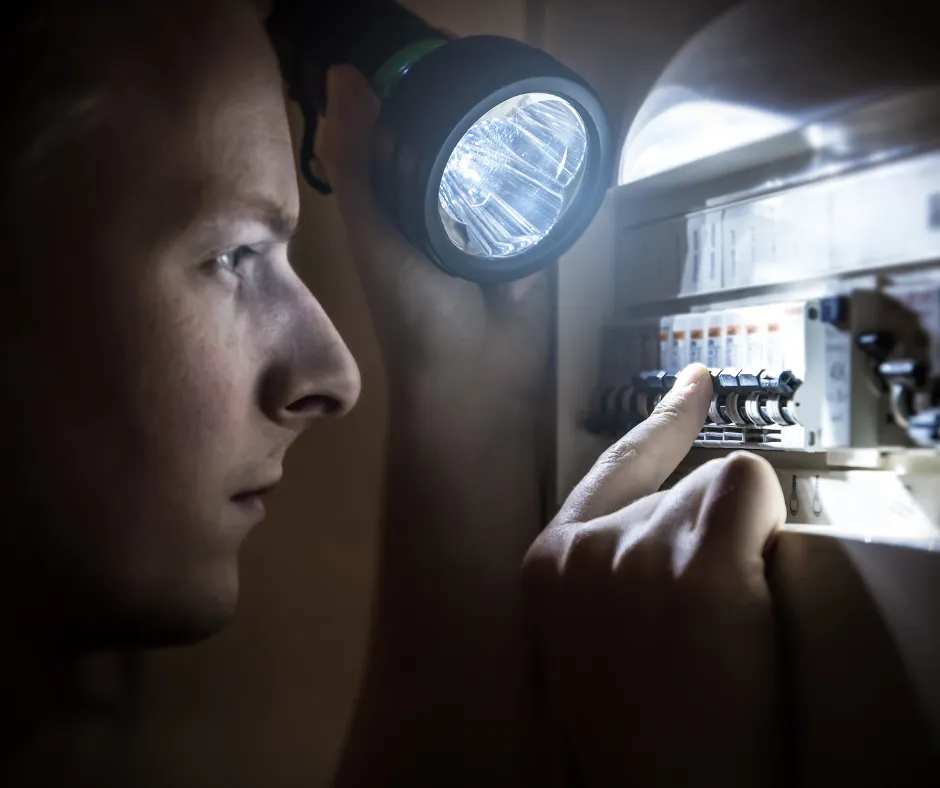
- Warm Panel, Rust or a Burning Smell
Heat, scorch marks, corrosion or a burning odor at the panel are safety concerns. Call us right away and keep the panel door closed.
- Fuses or an Outdated Panel Brand
Fuse boxes and older panels like certain Federal Pacific (Stab-Lok) and Zinsco models have known problems with breakers that may not trip when they should.
When a Panel Upgrade Makes Sense
A panel upgrade usually makes sense when your home is about to take on a big new electrical load. Switching from oil or gas to a heat pump adds one of the largest 240-volt circuits in the house, and a Level 2 EV charger needs a dedicated circuit of its own. Many older Mount Vernon panels don’t have the capacity or the open spaces for either, so we check your panel before installation day, not after a breaker starts tripping.
Backup power is another common reason. A standby generator connects to your home through a transfer switch tied into the panel, so it’s the right time to make sure the panel is in good shape and has room for the connection. Planning both together keeps the work coordinated and saves a second visit.
Remodels, additions and shops add circuits too. A kitchen remodel, an ADU, a detached garage or a workshop can quickly use up the spaces left in an older panel. Planning the panel first keeps the project on schedule, and in older homes it’s also a good time to look at rewiring while the walls are open.
Panel Replacement, Panel Upgrade, or Service Upgrade?
Panel Replacement
A new panel of the same size replaces one that is worn, damaged or unsafe. It’s the right fix when your power needs haven’t changed.
Panel Upgrade
A larger panel adds breaker spaces and a higher amp rating, so you can add circuits for new appliances, a shop or an addition.
Service Upgrade
This raises the power coming into your home, usually from 100 to 200 amps, and can include a new meter base and service cable. We coordinate it with your utility.
Subpanels
If your service has enough capacity but your panel is out of spaces, a subpanel can add circuits without replacing the main panel.
What Size Panel Does Your Home Need?
Many older Mount Vernon homes still have 60- or 100-amp service, which can fall short once you add a heat pump, an EV charger, a hot tub, or electric cooking. A 200-amp panel is a common choice for an all-electric home. We size your panel with a load calculation based on your home, your appliances and your plans, so you don’t pay for more capacity than you need.