Winter on South Whidbey isn’t about deep freezes. It’s about months of cool, damp, gray days when the furnace runs morning and night. That long heating season is easy on people and hard on equipment. A little preparation now helps your Langley furnace run safely all winter and lowers the odds you’ll need furnace repair in the middle of January.
Here is a practical checklist you can work through in an afternoon, plus a look at what professional furnace service covers and the signs that mean it’s time to call.
Your Winter Furnace Checklist
1. Replace the furnace filter
A clogged filter is the most common cause of furnace problems we see. It restricts airflow, makes the blower work harder and can cause the furnace to overheat and shut itself off. Check the filter now and plan to replace it every one to three months during heating season. Homes with pets, wood stoves or ongoing projects may need more frequent changes. Here’s more on why replacing your furnace filter matters.
2. Test the thermostat
Switch the thermostat to heat and set it a few degrees above room temperature. The furnace should start within a few minutes and warm air should follow shortly after. Replace thermostat batteries if your model uses them, and confirm the fan is set to AUTO rather than ON, which can make vents blow cool air between heating cycles.
3. Check your fuel supply
Natural gas reaches only some Whidbey Island addresses, so many Langley homes heat with propane. Check your tank gauge and schedule a delivery before the busy part of winter. Running a propane tank empty can cause the furnace and other appliances to lose their pilot or ignition, and the system will need to be checked before it’s relit. If you use natural gas, make sure the gas valve to the furnace is fully open.
4. Clear the area around the furnace
Furnaces in garages, utility closets and crawl spaces tend to collect storage boxes, paint cans and tools over the summer. Keep at least a few feet of open space around the unit, and never store flammable materials nearby. Make sure the access panel is secure, since many furnaces won’t run with the door off.
5. Open and clear vents and returns
Walk through the house and make sure supply registers are open and return grilles aren’t blocked by furniture, rugs or curtains. Closing too many vents raises pressure in the system and can lead to overheating and uneven heat.
6. Inspect outdoor vent terminations
High-efficiency furnaces vent through PVC pipes on an exterior wall or roof. Check that intake and exhaust pipes are clear of leaves, fir needles, spider webs and nests. In homes close to the water, look for corrosion on metal vent caps and fittings, a common side effect of salt air along Saratoga Passage.
7. Test smoke and carbon monoxide detectors
Any home with a fuel-burning furnace should have working carbon monoxide detectors near sleeping areas. Press the test button on each detector, replace batteries as needed and check the manufacture date. Most detectors need replacement about every 10 years.
8. Pay attention at first startup
A dusty smell for the first few minutes of the season is normal as dust burns off the heat exchanger. A burning, electrical or gas odor that lingers is not. Turn the furnace off and call for service. Our article on why a heater smells like something is burning explains the difference.
9. Prepare a second home for winter
Langley has plenty of weekend homes and seasonal getaways. If yours sits empty for stretches of winter, keep the heat set at a low, steady temperature to protect pipes, consider a smart thermostat you can monitor remotely, and ask a neighbor to check in after cold snaps. Schedule furnace service before you start using the house regularly, so problems surface before your arrival rather than after it.
What Professional Furnace Service Covers
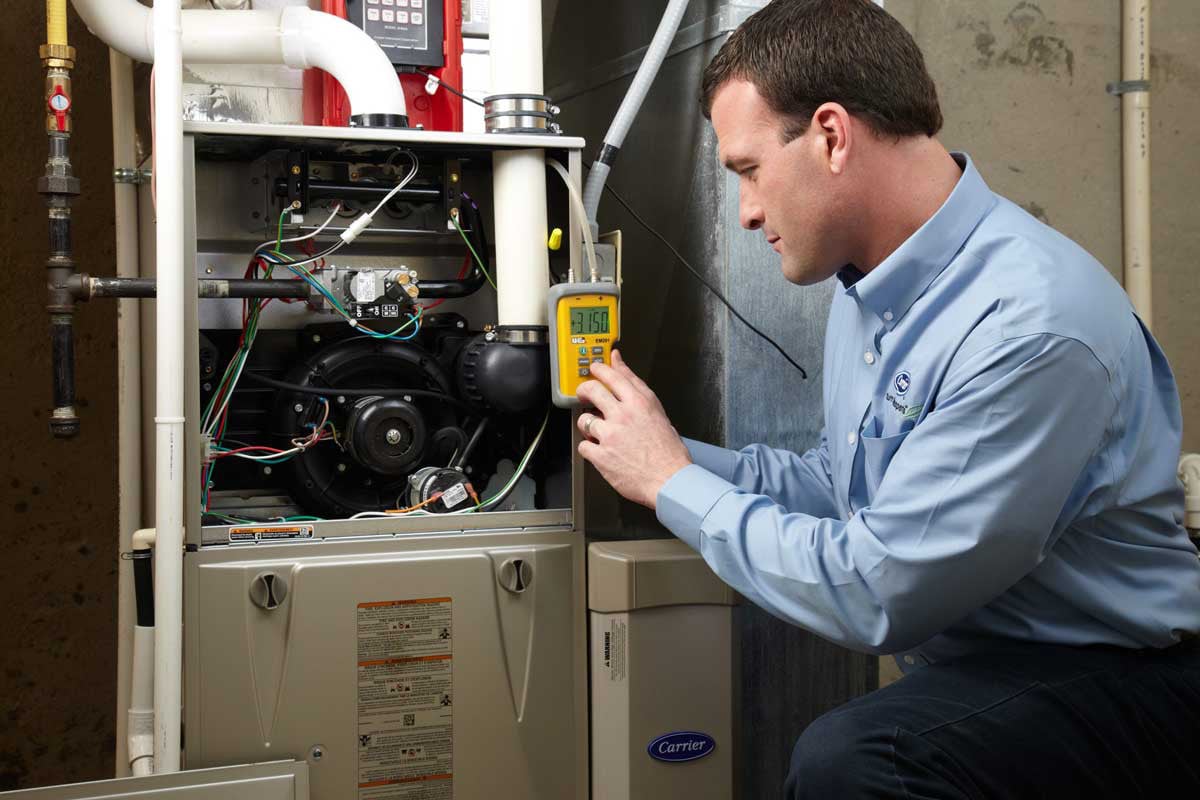
Your checklist handles the basics. A professional tune-up goes further into the parts you can’t safely reach. During furnace service in Langley, a CPI technician will typically:
- Inspect and clean burners and the flame sensor
- Check the igniter or pilot assembly and confirm proper ignition
- Test safety controls, including limit and pressure switches
- Inspect the blower motor, belt (if equipped) and electrical connections
- Examine the heat exchanger for cracks or corrosion
- Check venting, combustion and carbon monoxide levels on fuel-burning furnaces
- Verify thermostat calibration and overall system operation
Annual service catches worn parts before they fail and keeps your furnace running safely. With one of our HVAC service agreements, the fall tune-up is scheduled for you every year. If you also have a heat pump, we can check both systems in the same visit.
Signs You Need Furnace Repair in Langley
Even a well-maintained furnace can develop problems. Schedule furnace repair in Langley if you notice:
- Cool or lukewarm air coming from the vents
- Short cycling, where the furnace turns on and off every few minutes
- Rooms that never reach the thermostat setting
- Banging, rattling, squealing or grinding noises
- An igniter that clicks without lighting, or a pilot that won’t stay lit
- A furnace that trips its breaker or won’t respond to the thermostat
For more detail on what these symptoms can mean, see our guide to 12 common furnace problems. If your furnace is older and the repairs keep adding up, our article on whether to repair or replace your furnace can help you weigh the decision.
Don’t Forget the Rest of the House
Winter prep isn’t only about heat. Disconnect garden hoses, insulate exposed pipes in crawl spaces and garages, and know where your main water shutoff is. If hot water has been inconsistent, now is a good time to look at water heater service in Langley before guests arrive for the holidays.
Schedule Furnace Service in Langley
CPI Plumbing, Heating, Cooling & Electrical has helped Northwest Washington homeowners stay warm since 1986, and we service propane, natural gas and electric furnaces throughout Langley and South Whidbey. Call 360-822-9306 or contact us online to book furnace service or repair. Learn more about all our services in Langley.